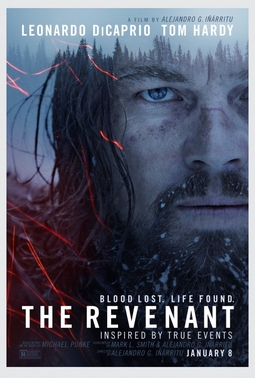
As a fan of not only Leonardo DiCaprio but also of wilderness and survival books and film, I was excited when I happened to see the preview of the film The Revenant while watching another movie several months ago. The preview made the film look like it would be worth watching, and the small segments they showed of the vast long distance shots displaying the wilderness of the setting captivated me immediately. It was the historical aspect of the film that really appealed to me however, as I was familiar with the historical event the movie is based upon.
Hugh Glass was a fur trapper and frontiersman in the early 1820’s in the region of the United States that the current states of the Dakotas, Nebraska, and Montana cover. He joined General William Ashley’s expedition in 1822 up the Missouri River, and while with Ashley’s group narrowly escaped down river after an attack by Arikara Indians. During the journey he was attacked and mauled by a grizzly bear, and left for dead by Jim Bridger (allegedly) and Thomas Fitzpatrick. He wasn’t dead though, and eventually made his way back to Fort Kiowa, where he recovered.
The film gets most of what is known about Glass’ ordeal correct – and the bear attack scene itself is astounding, one of the most vicious scenes of that nature I’ve ever seen on film. The solitude, majesty, and isolation of the deep wilderness is portrayed amazingly well, and the long shots of distant mountains along with the claustrophobic feeling of the dense temperate forests capture the essence of being in the wild perfectly. DiCaprio’s performance as Glass is simply one of his best film performances ever, and Tom Hardy’s portrayal of Thomas Fitzpatrick is exceptional (despite, of course, the fact that there is little information about the nature of both of their personalities available historically). The film is a tale of survival in it’s purest form, against not just the harsh, unforgiving wilderness but also against man’s inhumanity to man. Despite it’s bleak, dark nature, the film is one of the best films I’ve seen in a very long time – akin to the 2011 Liam Neeson film The Grey (in fact, if you liked The Grey, you will certainly like The Revenant).
Interestingly, however, Glass’ real ordeal was in some ways even more astounding than the film portrayed. His injuries were far worse than those showed in the film – in fact, his back was so damaged that some of his ribs were exposed, and friendly Indians actually sewed bear skin over the injury to protect them. He crawled – literally – for nearly 100 miles before he made a crude raft which he used to float down the river to Fort Kiowa. He spent months recovering before he set out on his journey to track down Bridger and Fitzpatrick for revenge. However, regardless of these factual discrepancies, the film is amazingly good, and I recommend it to anyone who enjoys realistic wilderness films of survival and conflict.
 Mike Charves